Our Impact
Your support helps advance life-saving diabetes research through the National Institutes of Health, the nation’s leading funder of biomedical science. Together, we help drive new treatments, improve daily care, and accelerate progress toward a future where fewer lives are lost to diabetes.
What We Do
Worldwide, diabetes is responsible for millions of deaths each year, with an estimated 3.4 million people dying from the disease or its complications in 2024, roughly one life lost every few seconds. These losses are preventable, and at the Tobin Diabetes Foundation, we are driven by the urgency to support research and education that will change that reality so fewer lives are cut short by diabetes.
At the Tobin Diabetes Foundation, we direct all of your donations to support research funded through the National Institutes of Health (NIH)—the nation’s largest supporter of biomedical research. By contributing to research grants and collaborative scientific efforts, we help ensure that researchers have the resources they need to deepen understanding of diabetes and drive breakthroughs in prevention, treatment, and care.
How Your Donation Supports National Institutes of Health (NIH)
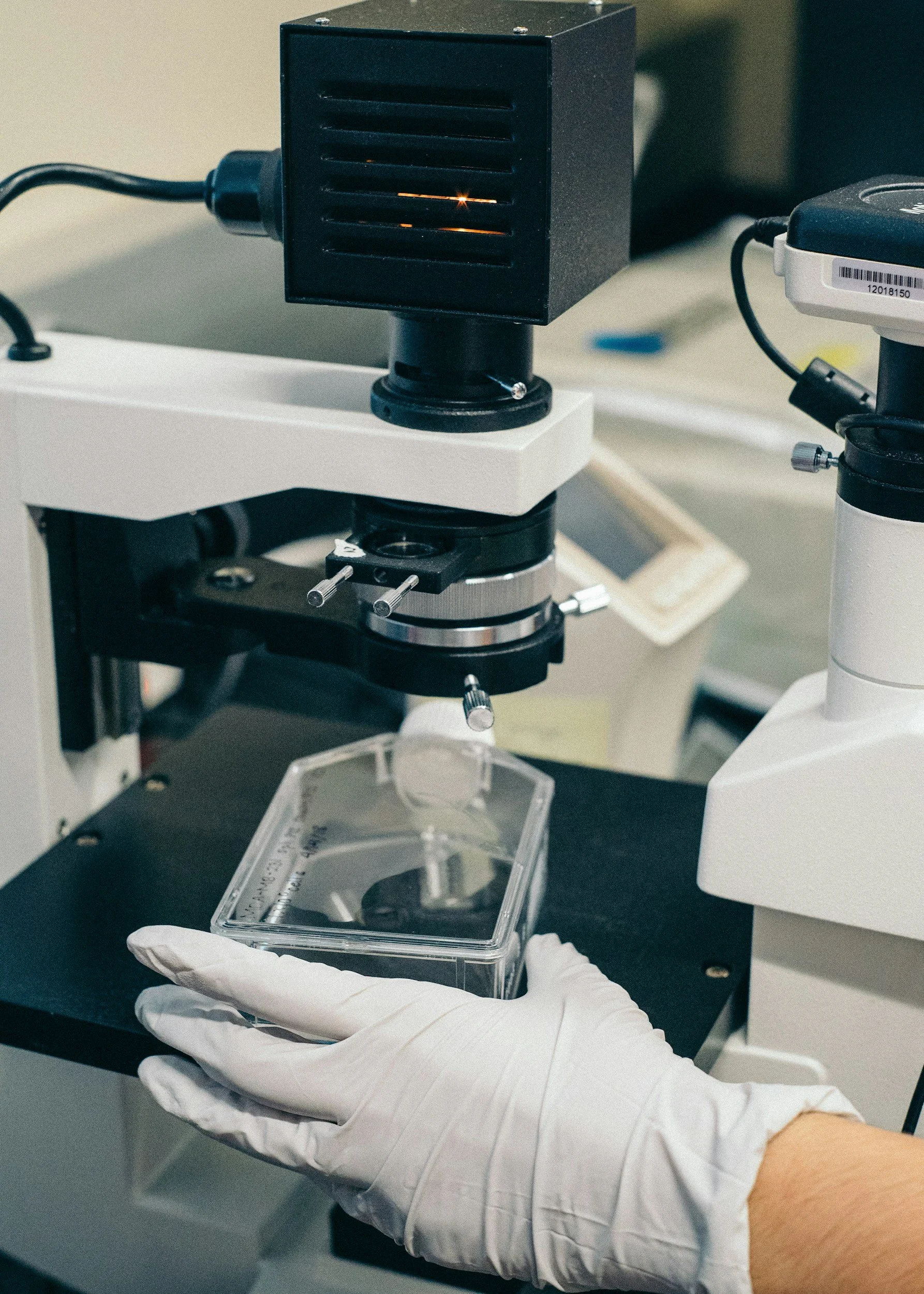
The NIH has been instrumental in advancing diabetes science on many fronts. One of the major achievements of NIH-supported research has been the development and refinement of technologies that transform daily management for people living with diabetes, including “bionic pancreas” systems that automate glucose monitoring and insulin delivery to better mimic a healthy pancreas. These technologies have significantly eased the burden of managing Type 1 diabetes and have opened new possibilities for treatment. In recent years, NIH funding has also supported groundbreaking clinical advances. For example, clinical trials supported by NIH and the Special Diabetes Program led to the first FDA-approved treatment that can delay the onset of Type 1 diabetes in people at high risk, giving families more time and hope before the disease fully develops.

NIH-backed collaborative research continues to expand knowledge in areas of critical need. Large observational studies launched by NIH aim to uncover the biological, social, and environmental drivers of Type 2 diabetes in young people so that better prevention and early intervention strategies can be developed. Institutions across the United States have received substantial NIH grants to build and expand diabetes research centers focused on restoring beta-cell function, preventing complications, and translating scientific discoveries into improved care.

NIH’s long-term commitment also extends to interdisciplinary projects, such as incorporating artificial intelligence into diabetes risk assessment and prediction models to improve diagnosis, monitoring, and personalized treatment approaches. Through these and many other research efforts, NIH support magnifies the impact of every donation we receive, turning hope into measurable scientific progress and bringing us closer to a future where diabetes no longer limits lives.