What is Diabetes?
Diabetes is a chronic, life-threatening condition that affects how the body regulates blood sugar, the primary source of energy for our cells. For millions of individuals and families, diabetes is not just a diagnosis but a daily responsibility that requires constant attention, careful decision-making, and ongoing medical care.
Understanding diabetes is the first step toward preventing its most devastating outcomes.
The Different Types of Diabetes
Type 1
Type 1 diabetes is an autoimmune disease in which the immune system destroys the insulin-producing cells of the pancreas, leaving the body unable to produce insulin. People with Type 1 diabetes must take insulin every day to survive. Management requires regular blood sugar monitoring and careful balancing of insulin, food intake, and physical activity. Blood sugar levels can change rapidly and unpredictably, making Type 1 diabetes particularly challenging and potentially life-threatening. Although it is most often diagnosed in children and young adults, it can develop at any age.
Type 2
Type 2 diabetes occurs when the body becomes resistant to insulin or cannot produce enough insulin to meet its needs. Insulin is still present, but it does not work effectively, causing blood sugar levels to rise over time. The condition develops gradually and is influenced by genetic, environmental, and lifestyle factors. Because symptoms may be mild or absent early on, many people live with Type 2 diabetes for years before diagnosis, increasing the risk of serious long-term complications if left untreated.
Gestational Diabetes
Gestational diabetes develops during pregnancy when hormonal changes interfere with the body’s ability to use insulin properly. This leads to elevated blood sugar levels that can affect both mother and baby. Gestational diabetes increases the risk of complications during pregnancy and delivery and raises the likelihood that the mother will develop Type 2 diabetes later in life. Early detection and careful medical management are essential for protecting long-term health.
How Diabetes Affects the Body
In a healthy body, the pancreas produces insulin, a hormone that allows glucose from food to enter cells and be used for energy. In people with diabetes, this process does not function properly. When insulin is absent or ineffective, glucose remains in the bloodstream rather than nourishing the body. Over time, elevated blood sugar damages blood vessels, nerves, and vital organs, often without obvious warning signs until serious complications develop.
Diabetes is often described as manageable, but this description can be misleading. Even with modern treatments and careful monitoring, diabetes can be unpredictable and dangerous. Complications such as heart disease, kidney failure, vision loss, nerve damage, and life-threatening blood sugar emergencies continue to affect millions of people.
Why Research Matters
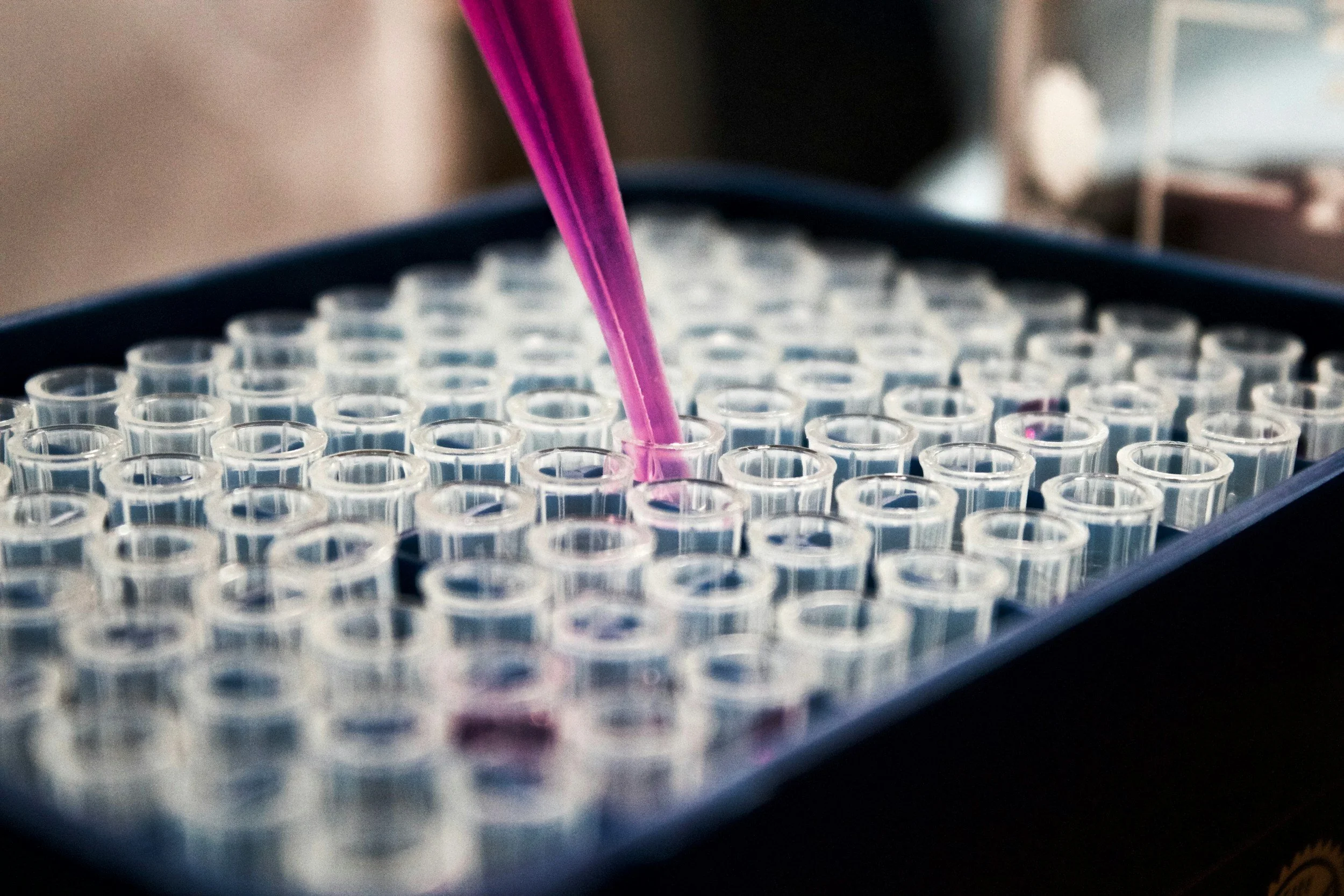
Advancing diabetes research and expanding education are essential to reducing preventable suffering and saving lives. Research drives improvements in treatments, insulin therapies, and technologies, while education empowers individuals and families to recognize symptoms early, manage the disease more safely, and advocate for better care. Progress against diabetes depends on sustained commitment, innovation, and public support.
Learning about diabetes is an important first step. Supporting the fight against it is the next.
At the Tobin Diabetes Foundation, we believe no one should lose their life to a disease that science has the power to better understand and treat. Our mission is to support research, education, and advocacy efforts that improve outcomes for individuals and families affected by diabetes. Every donation helps move this work forward and brings us closer to a future where diabetes no longer takes lives too soon.